Eclectic Stacks
Thoughts on games, technology, mathematics, culture, and eclectic stacks of books
I was revisiting Intuition Pumps and Other Tools for Thinking (2013) by philosopher Daniel C. Dennett - and was interested see that years before constructions like “Not X, but Y” became an indicator of AI writing, he was warning that they could also be a sign of a writer attempting a logical sleight of hand… ...
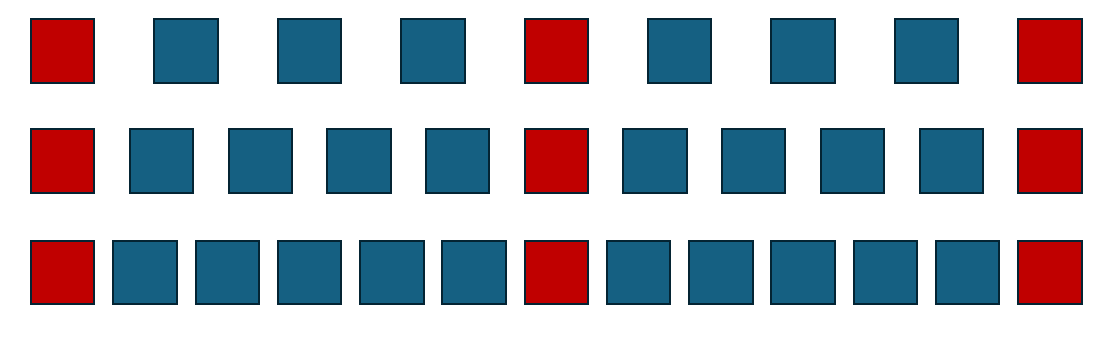
“Fly me to the Moon” comes in two time signatures, I recently learned - the one which everyone knows (arranged by Quincy Jones for Frank Sinatra) in 4/4, and Bart Howard’s less familiar original in 3/4 waltz - which why the rhythms I now find in my book of piano jazz standards didn’t match what I’d grown up with! (Meanwhile, my orange copy of Handel’s “Messiah”, now clearly well-used and with programmes and leaflets tucked inside from various performances over the years, had movements in alternative time signatures in the appendix - and the pencilled directions remind me that one conductor had decided to replace the 4/4 version of “Rejoice Greatly, Daughter of Zion” and send us flipping to the back for the 12/8 variation.) ...
The discussion “Is there anyone here who still uses slide rules?” on Hacker News reminded me of the children’s maths/puzzle book Nut-Crackers (1971) I once had, with cut-out paper slide rule at the back - and set me re-visiting what other mathematical games it had contained. ...
When I was a child in the 1980s, I had a Rubik’s Cube and a copy of Patrick Bossert’s book “You Can Do The Cube” - and carefully following the instructions, it indeed turned out that I could. So when we recently found ourselves with a Cube keyring, I wondered if I’d be able to do it again. An old copy of Bossert’s book was easy to find. Then, when I found that the quality of a mini Cube attached to a keyring isn’t always the best (any frustration should come from the solver, not the Cube itself, getting stuck!), I got a traditional full-sized model again. (Not a smartcube with Bluetooth, nor one with built-in magnets to help turns click exactly into place, which I learn are options now.) Of course, the method still works. And once I was satisfied I still had a way to solve the Cube, I took a look around to see what other options are out there and how cubing has developed in the past 40 years… ...
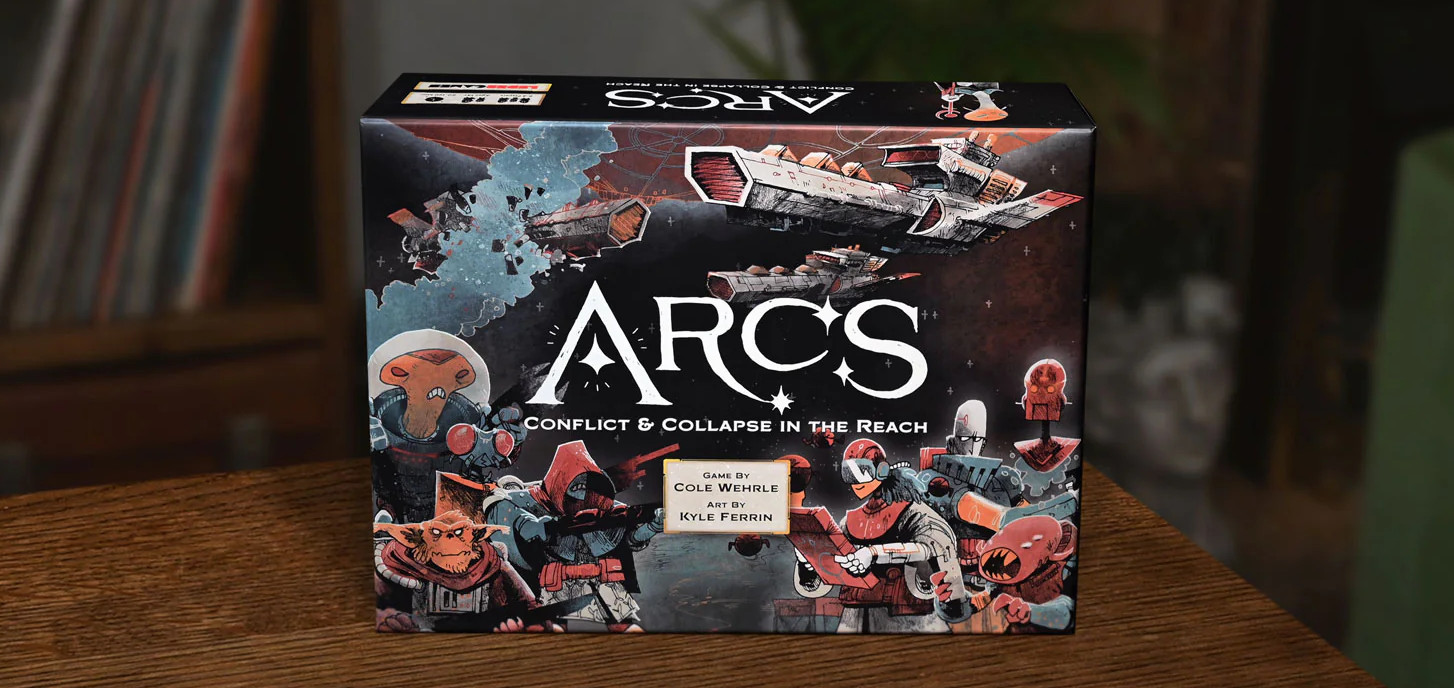
I played the new Carl Wehrle boardgame “Arcs” for the first time last weekend: directing fleets of spaceships, building cities, levying taxes, exerting influence and securing guild support for special abilities (having seen how cool some of those were, I should have done more of that…) ...
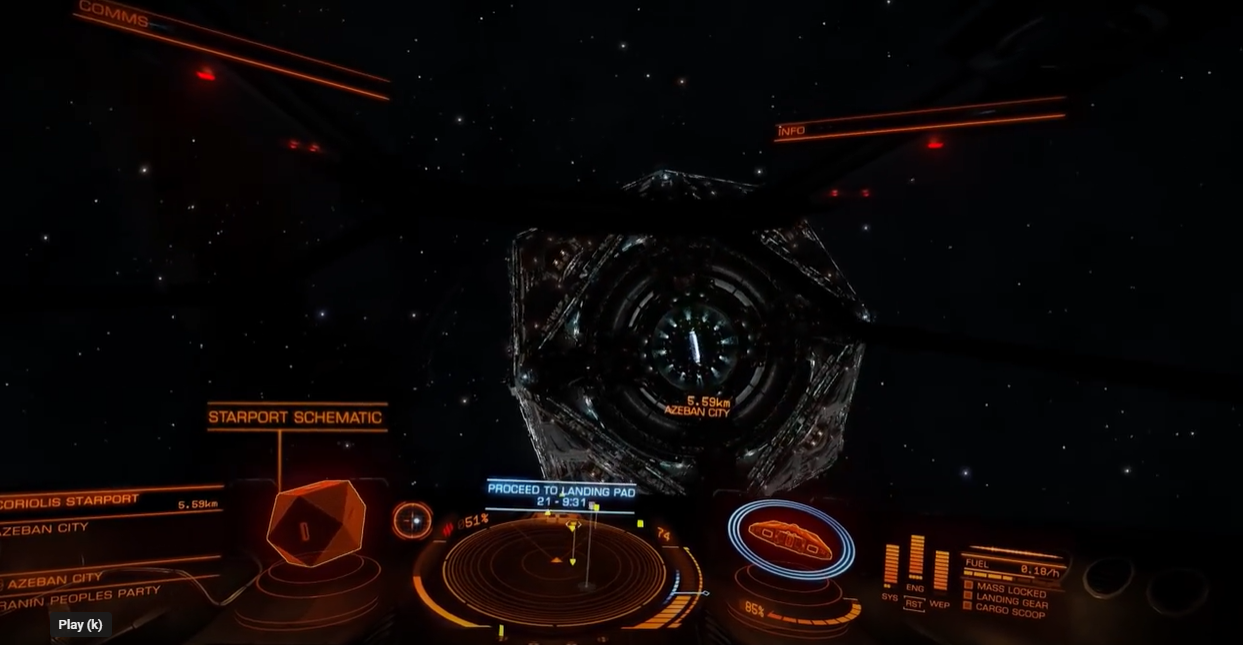
I played spacefaring game “Elite” when I was younger - both on the BBC Micro and the ZX Spectrum (where the fiddly “Lenslok” copy protection forced you to use a plastic lens which came in the box to - if you were lucky - unscramble and enter a code displayed on the screen during the loading process). ...
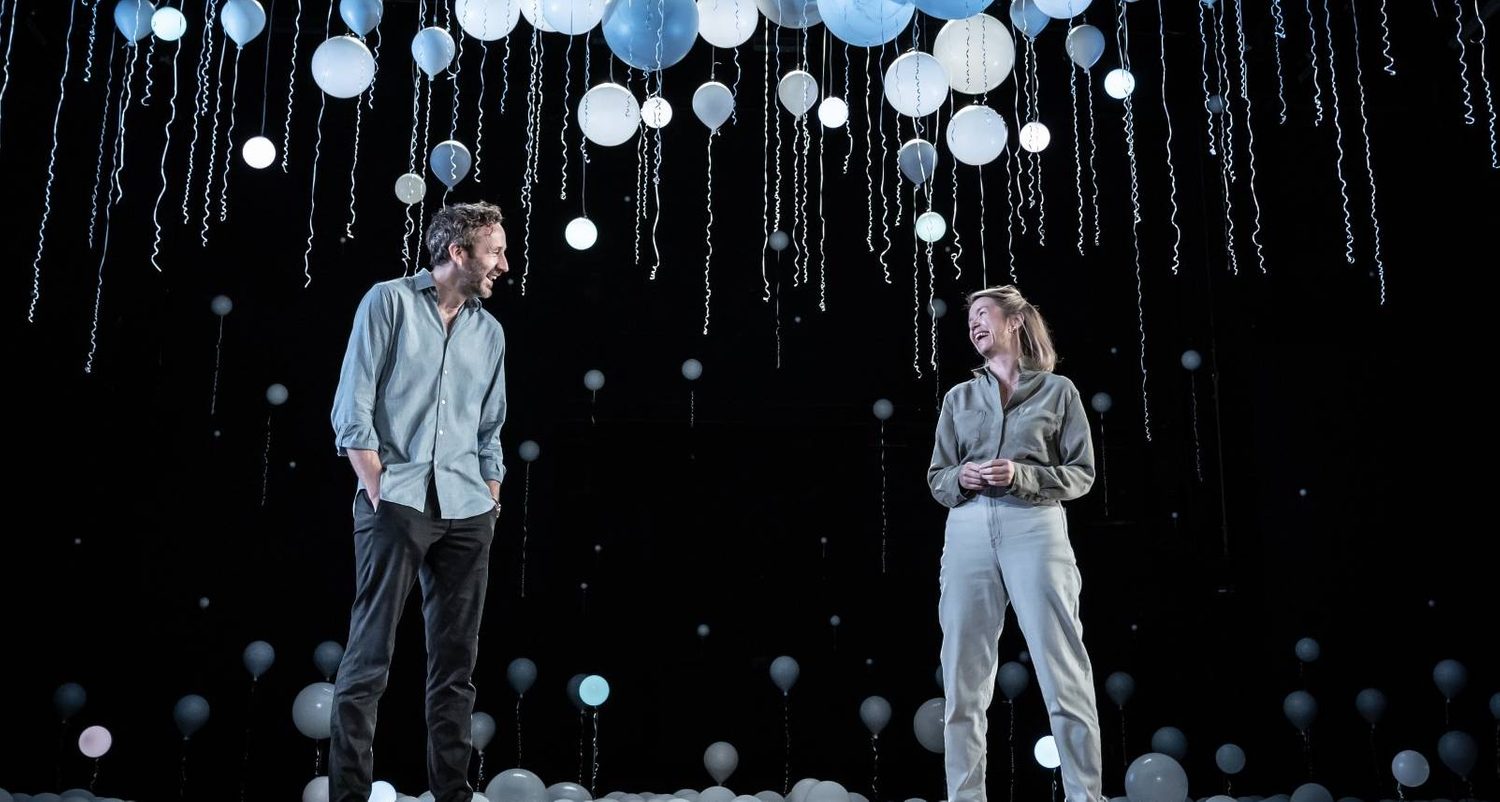
I’d heard great things about, but never got to see, Nick Payne’s two-hander play “Constellations” featuring a cosmologist, a bee-keeper, and branching scenes to show the many alternative ways their story could have gone. (The Guardian explains more in its review of the original production.) So I was excited to see it appear for streaming on National Theatre at Home, with Anna Maxwell Martin and Chris O’Dowd… ...
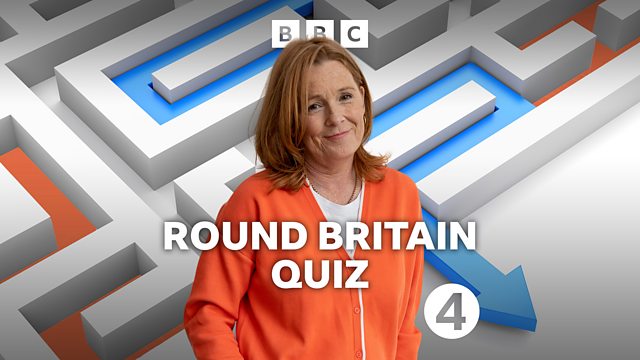
I continue to be in awe of the panellists in “Round Britain Quiz” on Radio 4 as I catch up on the new series - fluently pulling out pieces of obscure “general” knowledge and tracing the connections which the question-setter had woven together. (But if they are stumped, as sometimes happens, then the host mercifully - both to the panellists and the audience - gives hints and nudges - at the cost of the points to be awarded at the end.) ...
Some jokes benefit from footnotes. That may not be true of these, but I’m going to provide them anyway. When I found in quick-ish succession a good psychology joke and a good philosophy joke, I thought of looking for a physiology joke to complete the PPP hat trick - but found that PPP has been replaced by PPL, so here we go… ...
At the pub quiz - “What is a hyperbola?” Among those of us around the table were three mathematicians, wondering what definition they were looking for… ...